






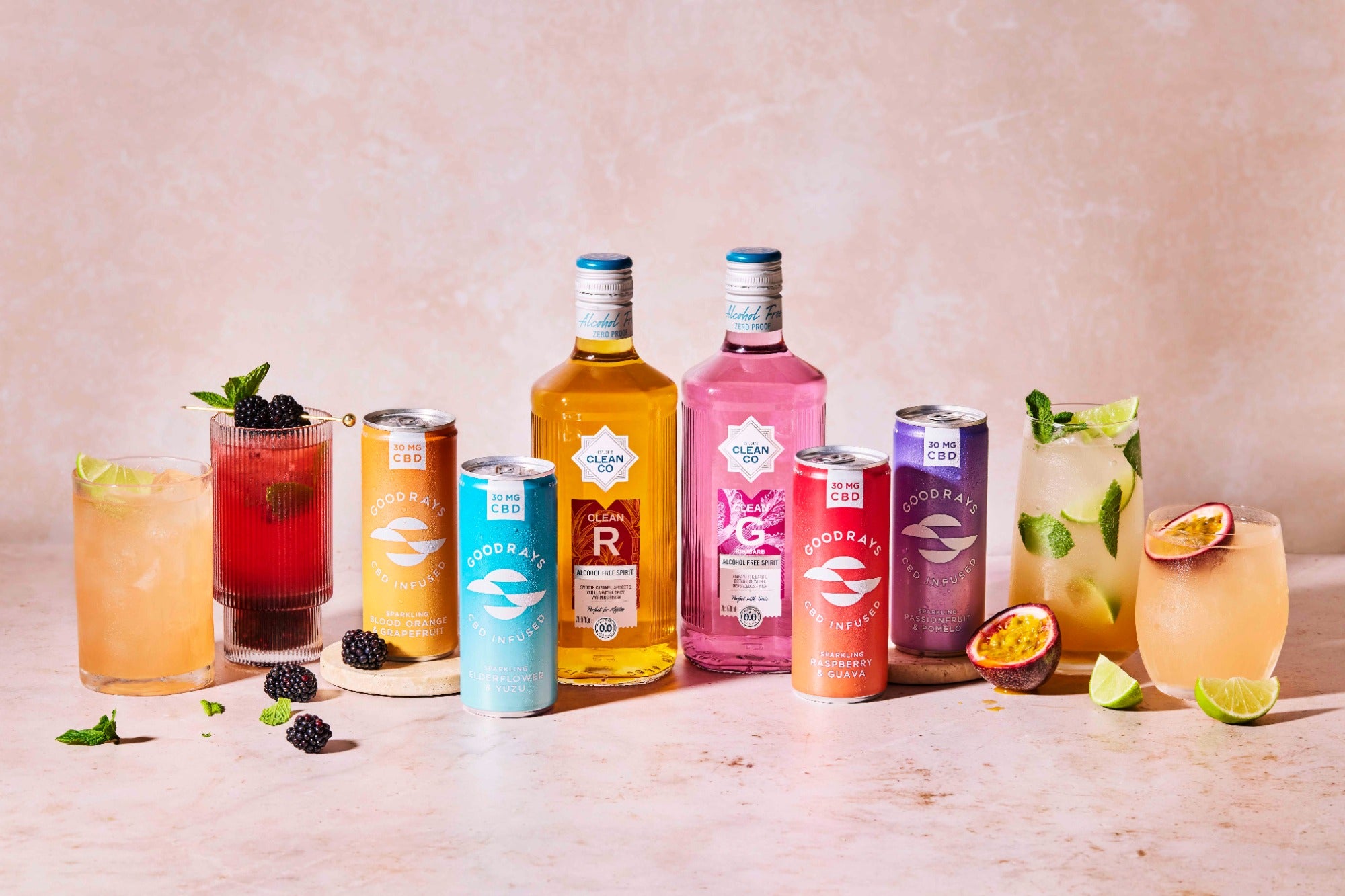


Clean Autumn Tipples To Cosy Up With
Autumn Cocktails: Cosy Alcohol-Free Drinks to Make This Season As the leaves turn golden and the evenings draw in, th...
Read More
Jan 20, 2026

There are so many hidden health benefits of going alcohol-free. Some kick in within one day of abstaining, while others are long term benefits on the brain and body.
Stepping away from alcohol unlocks a treasure trove of hidden health benefits that many overlook. It's a great way to kickstart your health journey, reach fitness goals or manage you mental health better.
Here's 10 hidden ways that going alcohol-free boosts your health, with stats to back it up.
Alcohol reduces REM sleep by up to 24%, and after 30 days alcohol-free, and 61% of people notice a better night's sleep when they don't drink, according to Sleep Foundation.
While it might be harder to fall asleep if you're used to a nightcap, your brain will soon adjust and you'll be able to nod off without numbing out with alcohol.

This one is huge, and often not spoken about enough. Alcohol is linked to 7 types of cancer and by cutting back, no matter what your drinking habits, you reduce your risk.
Certain cancers carry more risk, for example each daily drink increases breast cancer risk by 7–10%. Alcohol-free living reduces long-term cancer risk measurably, even if it's a decision to cut back the quantity.
Ever feel run down and sick after drinking? There's actually science behind this. Just one night of heavy drinking suppresses immune function for up to 72 hours.
You're more likely to get sick, have slow healing wounds and suffer from infections in that period.
Remember that hazy, sluggish, low mood hangover that follows heavy drinking? That's partly thanks immune cells in the brain, especially astrocytes and microglia, having a day off. This is why you may have heard people say alcohol "kills brain cells".
Astrocytes are important support cells that help neurons function properly and keep the brain’s environment stable. When they're not working properly thanks to alcohol, communication between brain cells goes down. That can lead to problems with thinking, memory, mood, and coordination as well as brain inflammation, slower thinking, memory problems, mood changes, and increased risk of neurodegenerative diseases.
Removing alcohol removes this potential damage.

Alcohol disrupts gut bacteria balance in as little as one week, which can have all kinds of effects on the body. Short term, when you drown your gut in alcohol, digestion is thrown off and you're less likely to be getting nutrients from food.
Longer term, if the gut micriobiome is constantly affected by alcohol, the immune system can become overactive, leading to chronic inflammation.
Research shows that reducing or stopping alcohol lowers blood pressure, especially in heavier drinkers - with systolic drops of ~5–6 mm Hg and diastolic falls of ~3–6 mm Hg. This kind of reduction is clinically meaningful for reducing risks of heart attack and stroke.
While the liver’s full return to perfect health may take longer, pausing alcohol stops ethanol metabolism, reduces oxidative damage, and reduces liver fat accumulation over time. Your liver is an amazing organ that can start healing from alcohol damage within days.
Studies indicate that certain alcohol-related brain changes (like cortical thinning) begin to reverse with sustained abstinence as early as weeks to months after quitting, demonstrating neuroplasticity and structural healing. You can literally restructure your brain.
Abstinence from alcohol significantly improves insulin resistance in moderate-to-heavy drinkers within one month, independent of changes in diet or smoking. This improvement indicates better blood sugar regulation and a lower risk of type-2 diabetes and fatty liver in a short time frame.
Alcohol dehydrates skin and dilates blood vessels, leading to redness, puffiness, and dull complexion. After abstinence, improved hydration and reduced inflammation often result in brighter, more elastic skin and fewer breakouts.
These amazing benefits are scientifically backed, so if you're trying to cut down your alcohol intake it's worth coming back here and reminding yourself of all the wonderful things you're doing for your body.
While the transition to an alcohol-free lifestyle may seem challenging at first, it can have huge benefits that extend beyond just your physical health, impacting every aspect of your life in meaningful ways.
Need more inspo? Take a look at our ultimate guide to sobriety.
Have we captured your curiosity? Read on
Autumn Cocktails: Cosy Alcohol-Free Drinks to Make This Season As the leaves turn golden and the evenings draw in, th...
Read More
Disney+ has announced a new Hulu Original feature-length documentary, “Breaking Spencer Matthews”, which follows Spen...
Read More
Hustle. Push harder. Make more. Look leaner. Have better relationships. Quit drinking. Eat better. The list goes on… ...
Read More
Summer calls for refreshing drinks, and you don't need alcohol to enjoy a sophisticated cocktail. Alcohol-free gin al...
Read More
UK drinking culture is shifting from one centred on heavy social drinking towards moderation, wellness and experience...
Read More
Discover the Flavours and Trend of Alcohol-free Whiskey Alcohol-free whiskey is quickly becoming one of the most po...
Read MorePlease enter your details below to sign in
Please enter your details below to register an account.
Forgot your password? No problem just enter your email to reset you password.