







Don't Forget The Garnish: How One Ingredient Can Transform A Drink
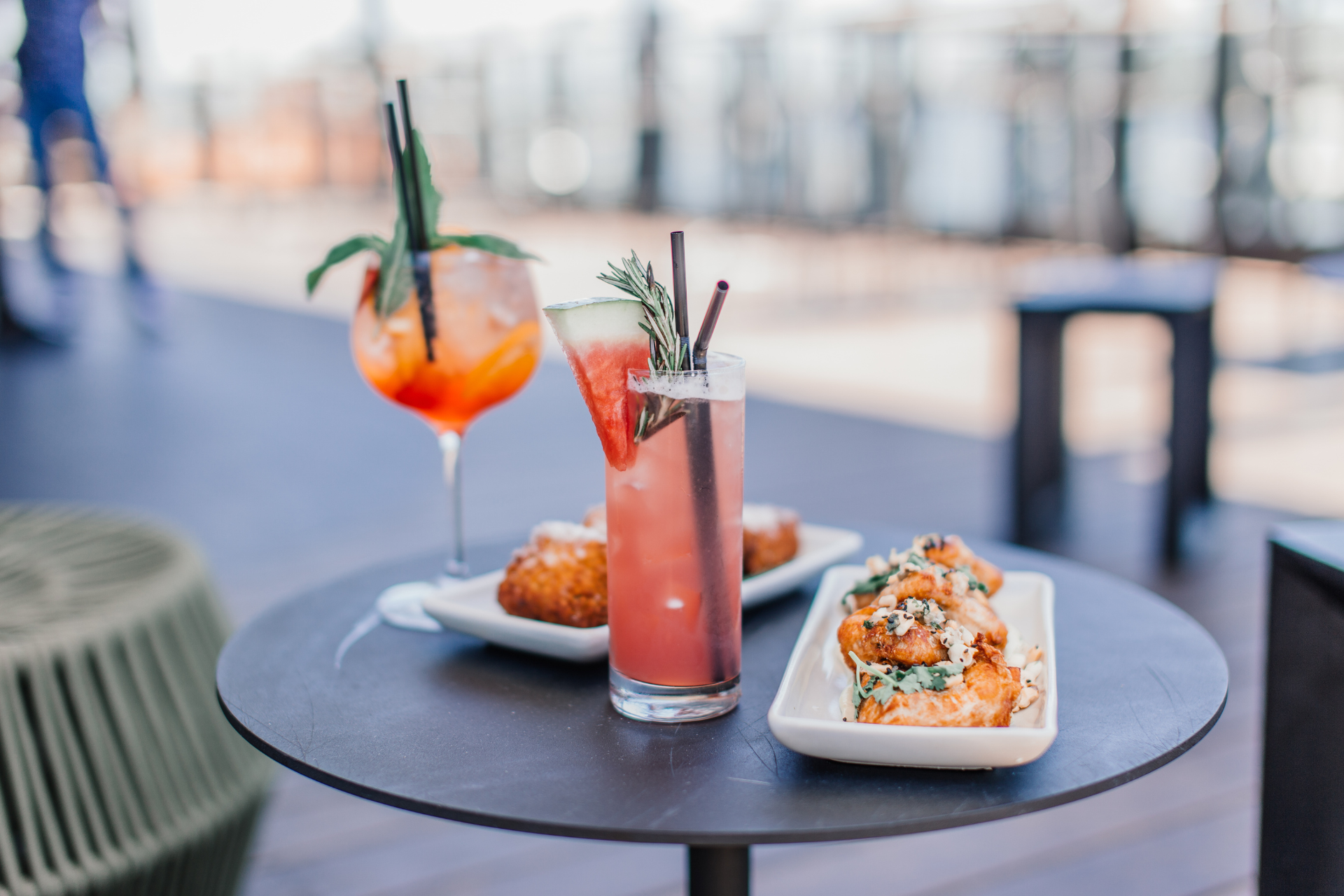
Learn how to use garnishes to perfect your non-alcoholic cocktails at home.
Read More
Jul 04, 2026

If you've ever woken up after a night of drinking with a racing mind, a sinking feeling in your stomach, and a sense of dread about the night before, you're not alone.
This increasingly common experience is known as hangxiety - a combination of a hangover and anxiety. Also referred to as hangover anxiety, hangxiety describes the feelings of worry, panic, fear, guilt, and regret that can occur after consuming alcohol, particularly following a heavy night of drinking.
For many people, hangxiety goes beyond a typical hangover. Alongside physical symptoms, it can trigger intense anxiety, overthinking, panic attacks, rapid breathing, and an overwhelming sense of unease. Whether you're replaying conversations from the night before or feeling anxious for no obvious reason, hangxiety can be both mentally and physically exhausting.
In this guide, we'll explore what hangxiety is, the most common hangxiety symptoms, why hangxiety happens, and how long hangxiety lasts. We'll also answer some frequently asked questions about hangover anxiety and look at how low and no-alcohol alternatives may help reduce the risk of experiencing hangxiety after a night out.
Hangxiety is a combination of hangover and anxiety symptoms experienced after consuming alcohol. It can make the typical hangover experience much worse by adding mental distress to physical discomfort.
Hangxiety symptoms can vary from person to person, but common ones include:
These symptoms can be distressing and make it hard to function and go by your day in a normal manner.. A study published in Alcohol and Alcoholism found that hangxiety can significantly impair daily activities and cognitive functions ini your brain, making it a serious concern for many people.
One of the most common questions people ask is, "How long does hangxiety last?" The answer varies from person to person. The duration and severity of hangxiety can depend on several factors, including how much alcohol you drank, the type of alcohol consumed, whether different drinks were mixed, your hydration levels, sleep quality, and your individual sensitivity to alcohol.
In most cases, hangover anxiety lasts anywhere from a few hours to around 24 hours. For many people, symptoms are at their worst in the morning after drinking and gradually improve throughout the day as the alcohol leaves the body and the hangover subsides. Research suggests that peak hangxiety symptoms often occur within the first few hours after waking up, with anxiety levels typically decreasing over the following 24 hours.
However, if you already experience anxiety or drank heavily, hangxiety symptoms may feel more intense and linger for longer. Staying hydrated, eating nutritious food, getting rest, and avoiding further alcohol consumption can all help support recovery and reduce the duration of hangxiety.
Hangxiety occurs due to a combination of physical and psychological factors. David Nutt, a professor of neuropsychopharmacology at Imperial College London, explains Alcohol stimulates neurotransmitters in the brain and the production of GABA (gamma-aminobutyric acid), and glutamate which are responsible for regulating mood and anxiety, meaning that to begin with we feel happy and relaxed as we enjoy those first couple of drinks.
One of the main reasons people experience hangxiety is the way alcohol affects the brain's neurotransmitters – the chemical messengers that regulate mood, emotions and stress levels.
When you drink alcohol, it increases the activity of GABA (gamma-aminobutyric acid), a neurotransmitter that helps calm the nervous system. This is why alcohol can initially make you feel relaxed, sociable and less anxious. At the same time, alcohol boosts the release of dopamine, the brain's "feel-good" chemical, creating feelings of pleasure and reward.
Alcohol also influences serotonin, a neurotransmitter involved in regulating mood, sleep and emotional wellbeing. In the short term, this can contribute to the positive feelings many people experience while drinking.
However, as the alcohol leaves your system, the brain works to restore balance. GABA levels begin to drop, while stimulating brain chemicals become more active. This rebound effect can leave you feeling tense, restless and anxious the next day. At the same time, dopamine and serotonin levels may fluctuate, contributing to low mood, worry and feelings of unease.
This sudden shift in brain chemistry is one of the key reasons why many people experience anxiety after drinking alcohol, even if they felt relaxed and confident the night before. For those who are already prone to anxiety, these changes can make hangover anxiety feel particularly intense.
Hangxiety is particularly intense after drinking because alcohol disrupts the balance of neurotransmitters in the brain, leading to heightened anxiety. Alcohol also affects the body's ability to get restful sleep, which can contribute to increased anxiety levels. The combined effects of these disruptions make hangxiety feel particularly severe.
Hangxiety typically goes away within 24 hours as the body processes and eliminates the alcohol. Staying hydrated, eating nutritious food, and getting rest can help speed up recovery. For some, hangxiety may last longer if they are more sensitive to alcohol or drank a little bit too much.
Reducing hangover anxiety involves taking steps to mitigate the physical and psychological effects of alcohol. Some effective strategies include:
Drinking plenty of water before, during, and drinking alcohol.
Eating a balanced meal before drinking
Limiting alcohol intake
Taking breaks between alcoholic drinks or drinking clean in between, replacing each drink with a non-alcoholic variant.
Practising relaxation techniques like deep breathing or meditation
The tips can help manage anxiety and improve overall well-being after drinking.
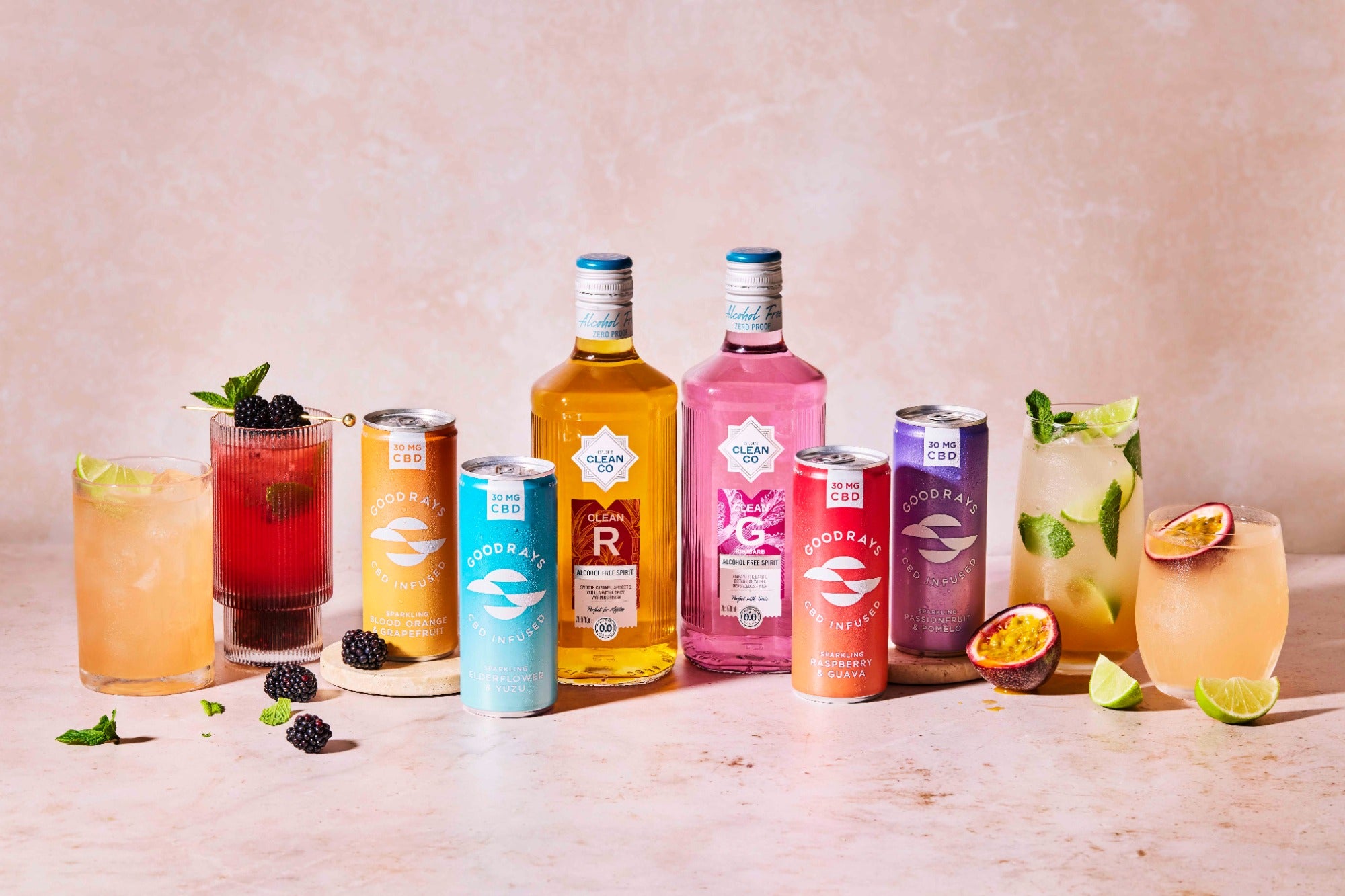
By cutting back on alcohol, your chances of experiencing these awful hanxiety effects are less, making you feel like your life is more fulfilled, you have more time in your day to do more proactive things. Exploring no and low-alcohol alternatives is a great way to enjoy social occasions without the negative effects of alcohol. These alternatives can provide the same enjoyable flavours and social experiences without the anxiety-inducing hangover. CleanCo’s non-alcoholic spirits counterparts such as their Clean T (tequila alternative), Clean W (whiskey alternative), Clean R (rum alternative), Clean G (gin alternative), Clean V(vodka alternative) can still be enjoyed in place of the traditional drinks and are designed to be mixed in the exactly same way as the full-strength version just without the fear, dread and regret. By choosing these alternatives, you can enjoy a night out without the worry of hangxiety the next day.
Hangxiety is a distressing experience that combines the physical discomfort of a hangover with intense feelings of anxiety. Understanding its symptoms, duration, and causes can help you manage and reduce its impact. By exploring no and low-alcohol alternatives and practicing mindful drinking habits, you can significantly reduce the likelihood of experiencing hangxiety.
If your symptoms of hangxiety worsen or persist, it's important to speak to a doctor. They can provide guidance and support to help manage anxiety and ensure your overall well-being.
Ready to cut down on hangxiety? Explore our range of alcohol-free alternatives today and enjoy a night out without the next-day dread.
Have we captured your curiosity? Read on
Learn how to use garnishes to perfect your non-alcoholic cocktails at home.
Read More
Major life changes are natural opportunities to reconsider old habits. Starting a new job, becoming a parent, moving ...
Read More
Are you ready to take on the challenge of Sober October and level up your life? Whether you're looking to quit drink...
Read More
Autumn Cocktails: Cosy Alcohol-Free Drinks to Make This Season As the leaves turn golden and the evenings draw in, th...
Read More
Disney+ has announced a new Hulu Original feature-length documentary, “Breaking Spencer Matthews”, which follows Spen...
Read More
Hustle. Push harder. Make more. Look leaner. Have better relationships. Quit drinking. Eat better. The list goes on… ...
Read MorePlease enter your details below to sign in
Please enter your details below to register an account.
Forgot your password? No problem just enter your email to reset you password.