






5 Perfect Times To Reassess Your Relationship With Alcohol
Major life changes are natural opportunities to reconsider old habits. Starting a new job, becoming a parent, moving ...
Read More
Sep 04, 2026

Hustle. Push harder. Make more. Look leaner. Have better relationships. Quit drinking. Eat better. The list goes on…
All of us are under immense pressure to be better, get more done and live a better life. Social media has a lot to answer for - giving the illusion that we can do it all. But peek behind the curtain and you’ll see that no one actually has it all together.
Perfectionism is often presented as ambition. We are encouraged to set high standards, work harder and keep improving. There is nothing wrong with wanting to grow, but perfectionism takes this desire to an exhausting extreme.
Instead of thinking, “I want to do well,” we begin to think, “If I don't do this perfectly, I've failed.”
That mindset can affect every part of life.
A career isn't simply supposed to pay the bills; it should be meaningful and impressive. Parenthood isn't simply about raising children; it comes with endless pressure to be the “perfect” parent. Fitness becomes less about feeling healthy and more about looking a certain way. Even rest can become another performance, with carefully planned wellness routines and productivity hacks.
When it comes to alcohol, this mindset can cause problems for people.

Perfectionism can also play a role in negative drinking patterns, particularly when people use alcohol as a way to cope with pressure, stress or the feeling of never being good enough.
When everyday life becomes a constant attempt to meet unrealistic expectations, drinking can become an escape from the need to perform, achieve and stay in control. A drink may feel like a way to switch off after a demanding day, quiet self-critical thoughts or temporarily disconnect from the pressure to have everything together.
Over time, however, relying on alcohol to manage these feelings can create a difficult cycle: perfectionism creates stress, drinking provides short-term relief, and the resulting guilt, lost productivity or disappointment can fuel even greater pressure to “do better.” Breaking that cycle often starts with recognising that the solution isn't to become better at managing an impossible standard, but to question the standard itself and find healthier ways to rest, cope and focus on what matters.
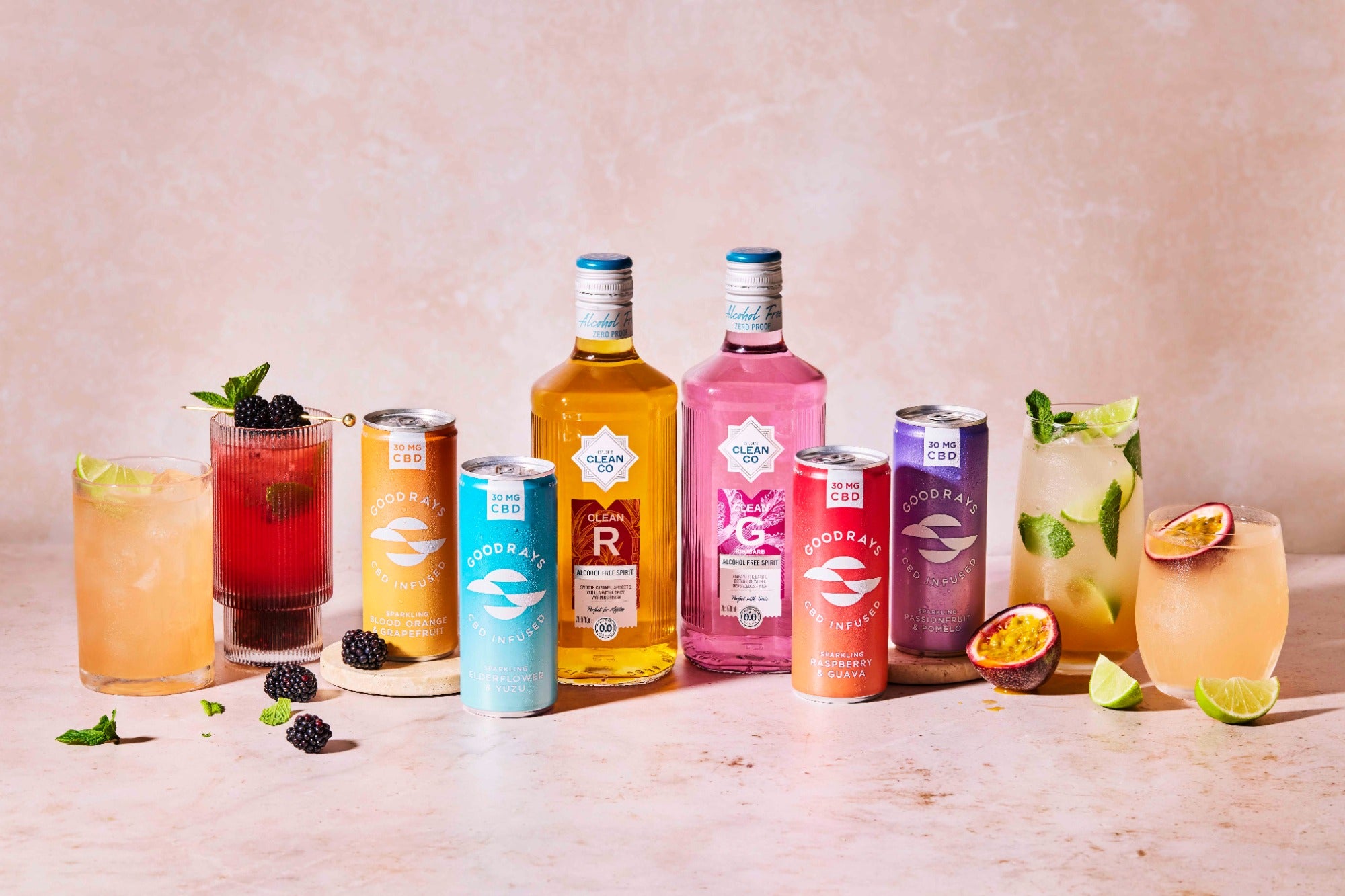
When it comes to abstaining, perfectionism can show up as teetotalism for a short period, leading into utter carnage on the weekend or at the end of the month when you allow yourself a “break”. We’re sick of this rhetoric, which is why we made amazing tasting cocktails that you can sip between drinks, instead of drinks or on off days to keep you healthy, happy and balanced.
It’s extremely hard to remove something you enjoy from your life. And while you’re learning to find a better balance, it’s time to give yourself a break. No one nails it 100% of the time.
In psychology, there is a difference between Adaptive perfectionists and Maladaptive perfectionists. The former “set lofty goals, have high standards, and work relentlessly hard for success; they are achievement-oriented, whereas maladaptive perfectionists are failure-oriented.”
Sometimes, being a perfectionist can drive you to succeed, but when that perfectionism turns into being down on yourself and thinking you’re not good enough it can get toxic.
Catching yourself before it becomes negative is a key distinction.

We live in an age that constantly tells us we can have it all.
A successful career. A fulfilling relationship. A healthy body. A beautiful home. A thriving social life. Time for family. Time for ourselves. And, somehow, enough energy left over to document it all on social media.
The message sounds empowering, but there is a hidden expectation beneath it: you should be able to do everything, and you should do it perfectly.
The truth is, perfectionism is holding many of us back. You don’t have to be perfect to start. And even when you’re on the journey you can mess up and keep going. Whether that’s with drinking, health goals, relationships or work. You’re human - and humans are not perfect.
We can want more from life without believing that what we have now isn't enough.
We all need to get better at balancing the human need to have more, with an appreciation for what already is.
Have we captured your curiosity? Read on
Major life changes are natural opportunities to reconsider old habits. Starting a new job, becoming a parent, moving ...
Read More
Are you ready to take on the challenge of Sober October and level up your life? Whether you're looking to quit drink...
Read More
Autumn Cocktails: Cosy Alcohol-Free Drinks to Make This Season As the leaves turn golden and the evenings draw in, th...
Read More
Disney+ has announced a new Hulu Original feature-length documentary, “Breaking Spencer Matthews”, which follows Spen...
Read More
Hustle. Push harder. Make more. Look leaner. Have better relationships. Quit drinking. Eat better. The list goes on… ...
Read More
Summer calls for refreshing drinks, and you don't need alcohol to enjoy a sophisticated cocktail. Alcohol-free gin al...
Read MorePlease enter your details below to sign in
Please enter your details below to register an account.
Forgot your password? No problem just enter your email to reset you password.