







Italian Spritz: The Ultimate Guide
Introducing the perfect pre-dinner drink - the Italian Spritz. We delve into the "It" cocktail of the moment and look...
Read More
Nov 20, 2026
Introducing the perfect pre-dinner drink - the Italian Spritz.
We delve into the "It" cocktail of the moment and look at the history of the drink.
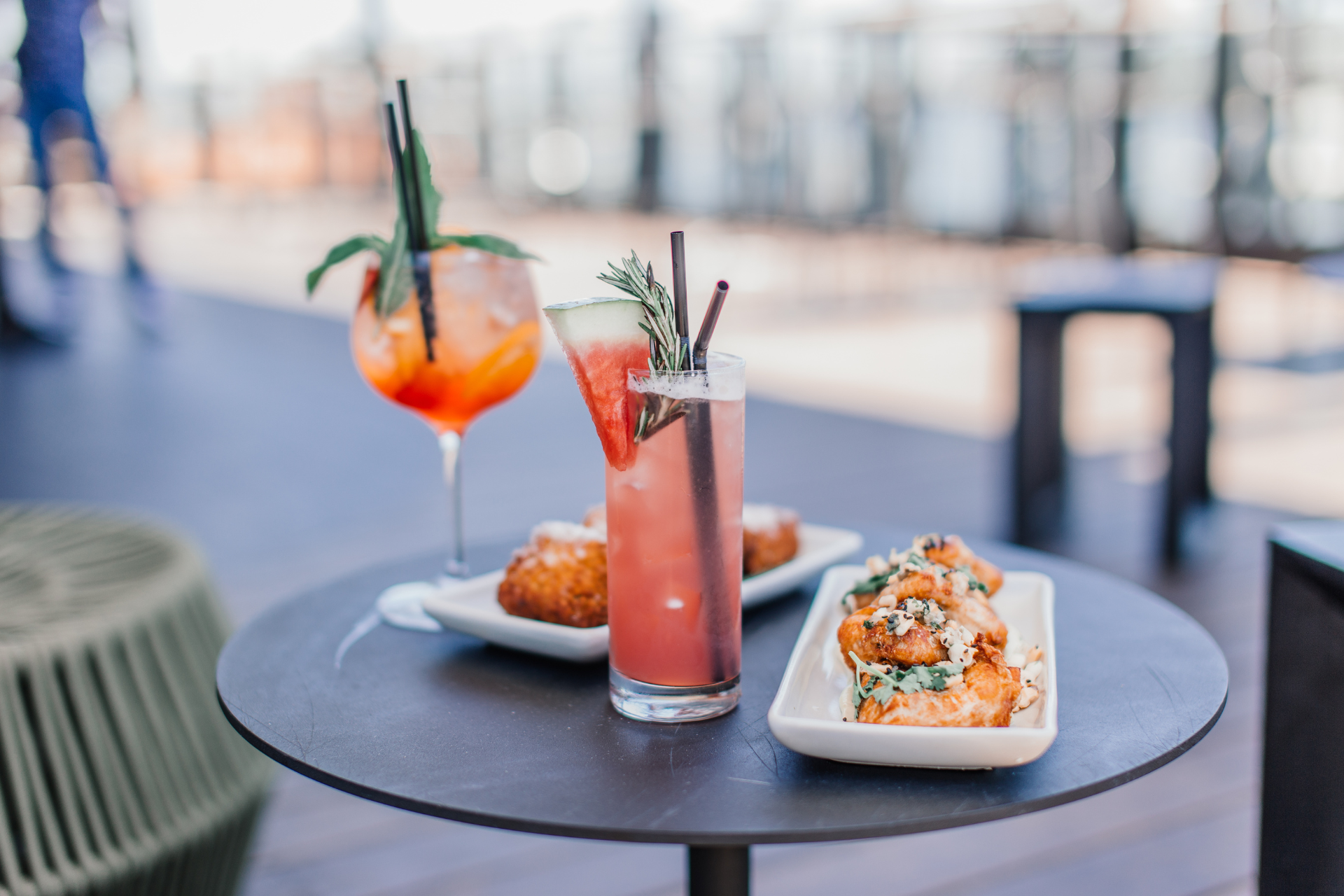
An amazing Italian spritz comes down to the perfect balance of bittersweet flavour, sparkling freshness, good bubbles and plenty of ice. It should be refreshing rather than syrupy, gently bitter rather than harsh, and light enough to make you feel like you're on holiday in Italy.

Lots of ice - right to the top
Fill the glass generously. Plenty of ice chills the drink quickly.
Cold, quality sparkling water or N/A Prosecco
Choose a crisp, dry af Prosecco, or sparkling water. Avoid anything overly fruity or sweet.
Delicious Botanicals
Use non alcoholic spirits that emulate the bitterness and mouth feel of real alcohol.
Fresh orange
Add a fresh orange slice and, if you like, express a little orange peel over the glass. The citrus oils add aroma before the first sip.

The Italian spritz is much more than an orange cocktail. It grew out of northern Italy's wine-drinking traditions, developed through the influence of the Austrian Empire, and became a defining part of Italian aperitivo culture.
Although the bright orange Aperol Spritz is now the best-known version worldwide, the spritz itself is considerably older. Its story stretches back to the 19th century, while the modern Aperol version emerged in the 1950s.
The spritz's roots are generally traced to the Veneto region of northeastern Italy, particularly Venice, during the period of Austrian and Habsburg influence. If you ever get chance to sip an Italian Spritz (or na version) in Italy don't pass it up - they do it best.
The commonly told story of how the Italian Spritz evolved is that Austrian soldiers and visitors found some local Italian wines stronger than the drinks they were accustomed to. They began asking for water to be added to wine to make it lighter and easier to drink. The name is associated with the German verb spritzen, meaning “to splash” or “to squirt.” The early drink was essentially wine diluted with water.
The early 20th century brought an important change: Italian drinkers began adding bitters, vermouths and herbal liqueurs to their wine-and-water mixtures. The spritz evolved from a simple diluted wine into a more distinctive aperitivo cocktail.
1919: Brothers Luigi and Silvio Barbieri created Aperol in Padua, Veneto. It had a bright orange colour and a bittersweet, herbal flavour.
1920: The Pilla brothers introduced Select Aperitivo in Venice, which became closely associated with the city's own spritz tradition.
From the 50's onwards an Italian Spritz became something loved Italy-wide.
But then in 2003, Gruppo Campari acquired Aperol. Subsequent marketing helped take the Aperol Spritz beyond its traditional Italian market, presenting it as a symbol of summer, sociability and Italian aperitivo culture. International popularity grew substantially during the 2000s and 2010s and today the Italian Spritz is known and loved worldwide.

To understand the Italian spritz, it helps to understand aperitivo itself.
Aperitivo is the social custom of having a drink before dinner, often accompanied by small savoury foods. The aim is to relax, socialise and ease into the evening rather than rush straight into a meal.
In Venice, that might mean a spritz alongside cicchetti - small bites featuring ingredients such as seafood, cured meats, cheese and olives. Elsewhere, the food and the preferred drink vary by region.
We love this idea, as it works well with or without alcohol, allowing you to be present.
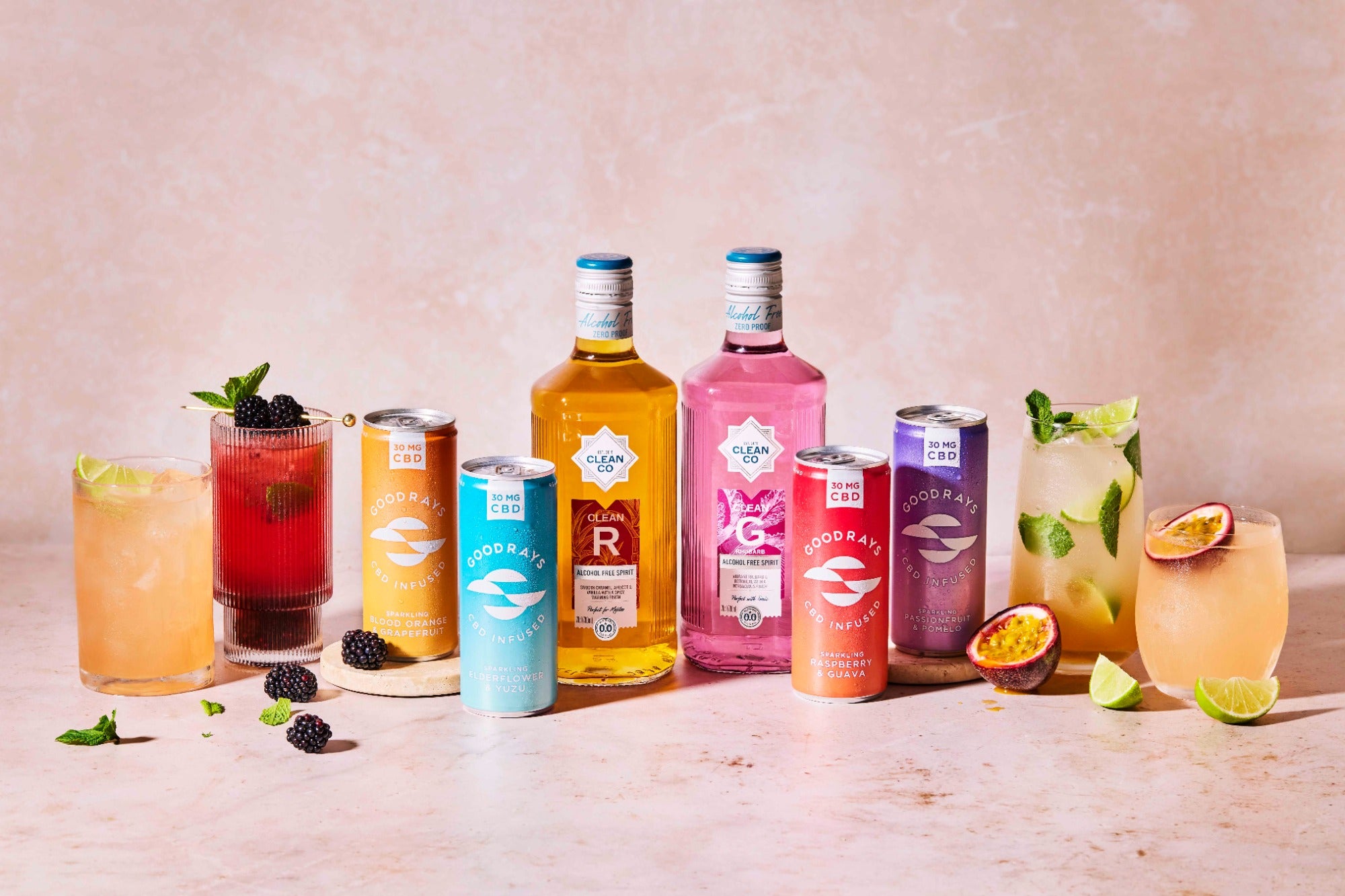
Can't be bothered with mixing an Italian Spritz? Buy it ready to drink.
Have we captured your curiosity? Read on
Introducing the perfect pre-dinner drink - the Italian Spritz. We delve into the "It" cocktail of the moment and look...
Read More
Want to cut down on drinking at Christmas? Zebra striping could be for you. Zebra striping is the new trend that's s...
Read More
For years, opting out of drinking meant sparkling water, a polite excuse, and the quiet resignation that nothing in y...
Read More
The hardest part of Sober October might not be the alcohol. It might be explaining yourself. We all know that drinkin...
Read More
Learn how to use garnishes to perfect your non-alcoholic cocktails at home.
Read More
Major life changes are natural opportunities to reconsider old habits. Starting a new job, becoming a parent, moving ...
Read MorePlease enter your details below to sign in
Please enter your details below to register an account.
Forgot your password? No problem just enter your email to reset you password.