



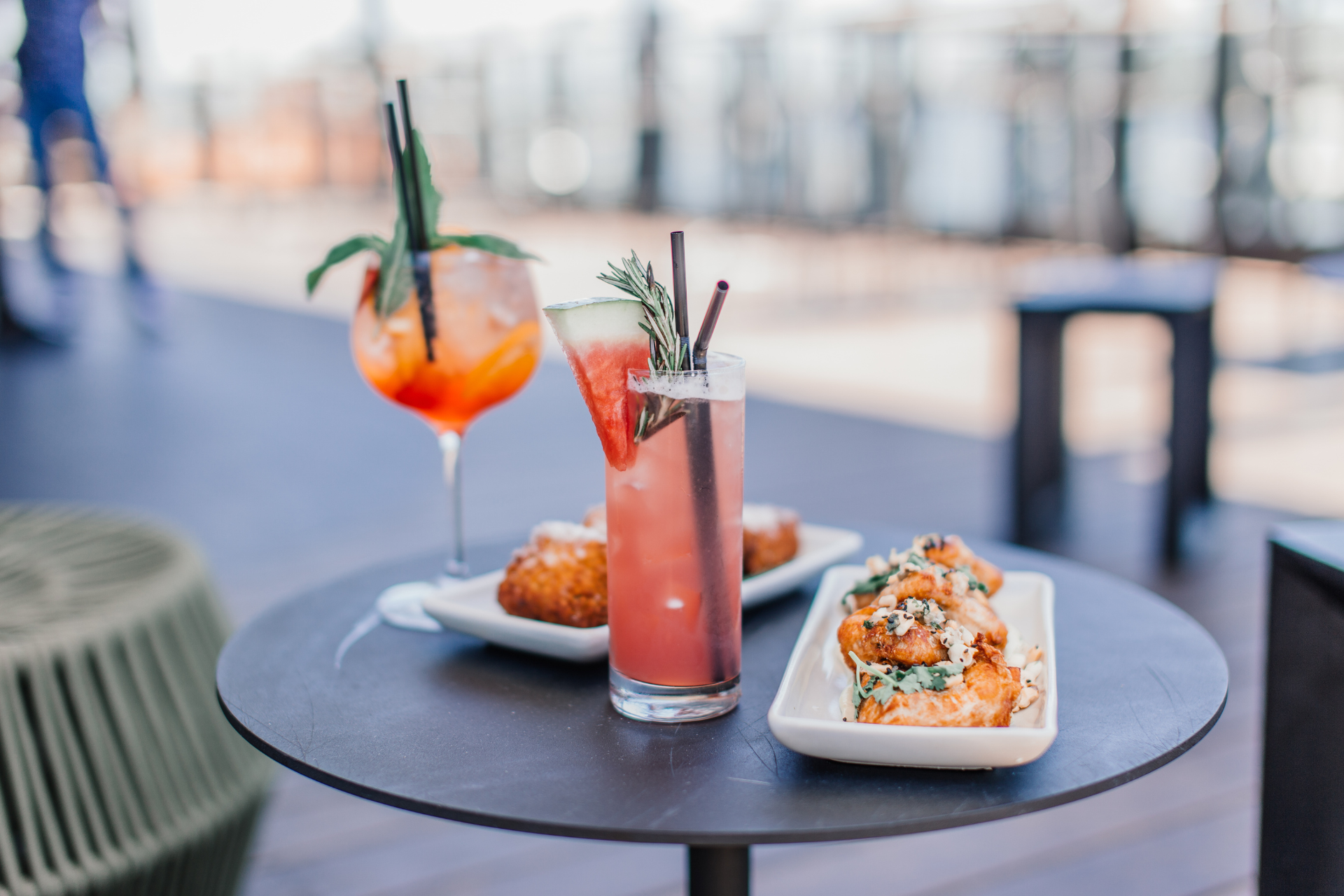

Clean Autumn Tipples To Cosy Up With
Autumn Cocktails: Cosy Alcohol-Free Drinks to Make This Season As the leaves turn golden and the evenings draw in, th...
Read More
Mar 20, 2026

You’ve probably noticed the rise of mocktails in recent years.
It's a classic social disruptor that can leave your friends who are drinking a little shocked - a dinner guest skips the wine list and asks about alcohol-free options. Revolutionary.
Well, at one time it was. Now it's pretty much the norm.
While older generations are still more likely to be seen with a full strength beer or wine in hand, Gen Z are pretty likely to don a mocktail. In a shock turn away from previous generations, it's adults aged 16 to 24 who are the most likely to be non-drinkers while adults aged 55 to 64 were the least likely (25% vs 14%).
Welcome to the rise of the mocktail. Let's learn everything there is to know.

If you're stepping into the world of non-alcoholic drinks for the first time, you probably have questions like “What is in a mocktail?” and, “Do mocktails have alcohol in them?”.
The answer to whether mocktails contain alcohol is: no, usually they don't however sometimes they can feature smaller quantities of alcohol. They are designed to "mock" an OG cocktail with alcohol, therefore being a similar replica but without the alcohol content.
What's in a mocktail will vary by recipe, but usually it will be some form of non-alcoholic spirit, cleverly combined with mixers to give the allure of a cocktail without the alcohol content.
As interest in mindful drinking grows, so does the creativity behind non-alcoholic mixology. Bartenders and home enthusiasts alike are raising the bar, proving that alcohol isn’t required for sophistication, flavour, or ritual.
In short, they're delicious and they help you limit your alcohol intake if that's your thing.
Mocktails serve various purposes, including nights when you don’t feel like consuming alcohol or are pacing yourself during an extended social gathering. They can help you stay grounded and in control while also enjoying yourself and not missing out on the experience of drinking.
Most cocktail bars or pubs will offer mocktails on their regular drink menus, which can be a delicious alternative. These mocktails enjoy the same mixology preparation and passion as cocktails do and the drink you receive will be the same as a regular cocktail - the only difference is that there isn’t any alcohol in it.

You might be wondering when mocktails came into existence.
While cocktails don’t have a single, exact “start date,” their roots go back more than a century- long before the term mocktail became popular.
Non-alcoholic mixed drinks appeared alongside early cocktails in the late 19th century. During this time, “temperance drinks” were promoted by the temperance movement, which encouraged reduced or eliminated alcohol consumption. These beverages often used fruit juices, sodas, herbs, and syrups and were served in social settings much like cocktails.
Mocktail-style drinks became especially common during Prohibition in the United States. With alcohol illegal, bartenders and hosts created alcohol-free versions of popular drinks to mimic the cocktail experience. Many classic recipes - such as citrus-and-soda combinations - can be traced to this era.
The word “mocktail” itself gained traction in the late 20th century, particularly in the 1980s and 1990s, as restaurants and bars began offering non-alcoholic alternatives more intentionally. At this point, mocktails were often simpler and sweeter than cocktails.
The current mocktail movement took off in the 2010s, driven by:
- Wellness and mindful drinking trends
- Better-quality non-alcoholic spirits
- Increased inclusivity for non-drinkers
- A renewed focus on craft mixology
Today’s mocktails are carefully balanced, complex, and often indistinguishable in presentation and flavour from traditional cocktails.
Let's unpack what makes a great mocktail, from flavour to ingredients. Grab yourself a bottle of your favourite non-alcoholic spirit and get mixing!
A great mocktail should have balance, just like a cocktail. Combine sweet, sour, bitter, and aromatic elements to create depth. Use citrus juice for brightness, bitters or herbs for complexity, and avoid relying only on sugary mixers.
Non-alcoholic spirits, teas, shrubs, or infused syrups add structure and complexity. Don't just opt for juices and soft drinks or you'll be disappointed. Quality ingredients help mimic the body and flavour profile of traditional cocktails rather than tasting like sodas.
Shake, stir, muddle, and strain with intention. Measure ingredients carefully and use proper tools. Applying classic mixology techniques ensures your mocktail tastes refined and well-balanced.
Glassware, ice, and garnish matter and can elevate your drink. Serve the drink in the same style of glass as its cocktail inspiration, use clear or large-format ice when appropriate, and finish with thoughtful garnishes like citrus peels, herbs, or rim salts.
Fresh juices, herbs, and fruits make a noticeable difference. They provide brighter flavours, better aroma, and a more polished final drink than bottled alternatives.
A great mocktail isn’t about what’s missing - it’s about creating an experience that feels intentional, flavourful, and satisfying from the first sip to the last.

Mocktails prove that great drinks don’t require alcohol - only creativity, quality ingredients, and thoughtful preparation. Whether for wellness, inclusion, or pure enjoyment, zero-proof cocktails offer a flavourful way to raise a glass for any occasion.
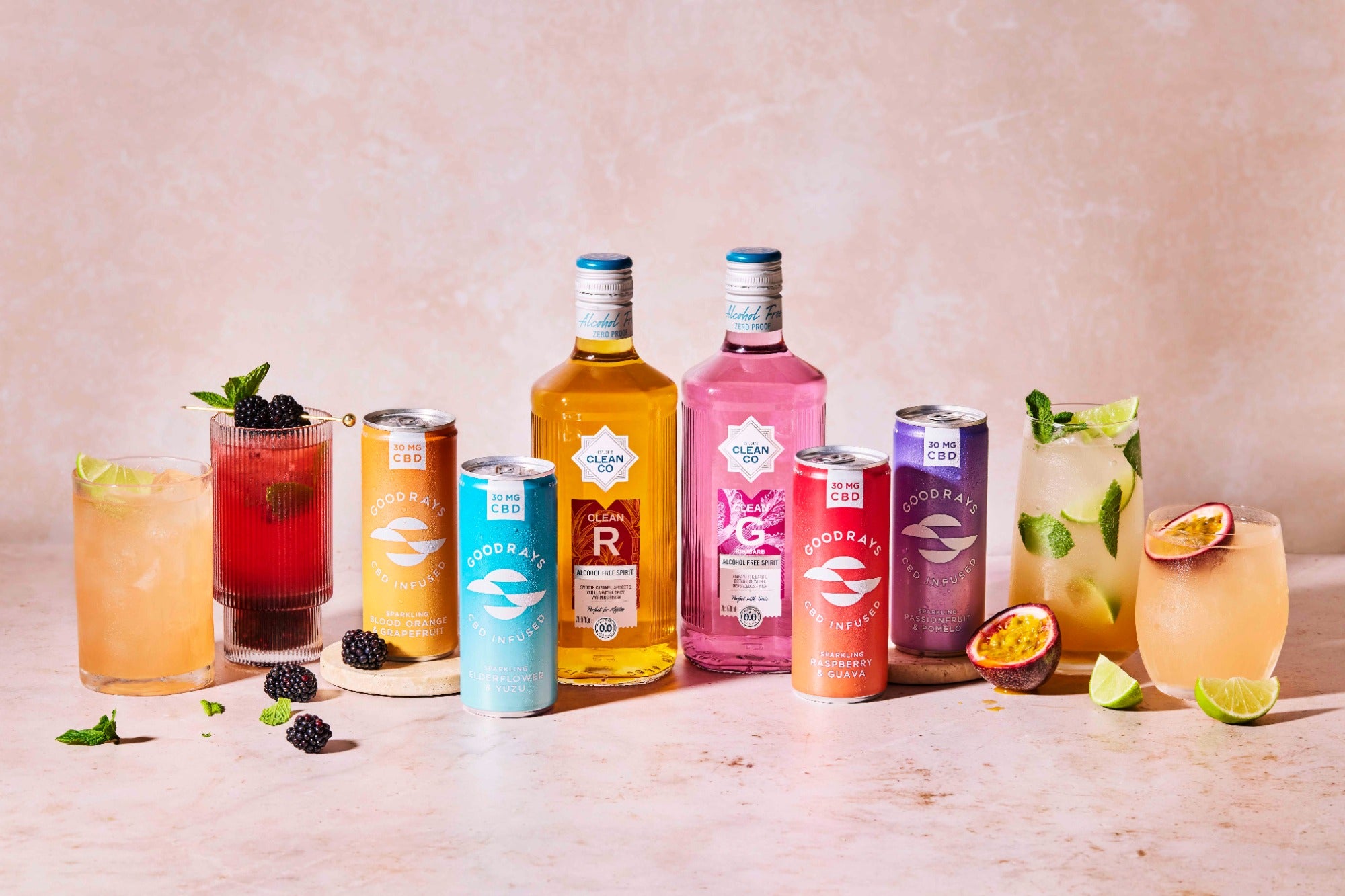
Why not grab a bottle of CleanCo and have a look at our 5 favourite non-alcoholic recipes for inspo!
Have we captured your curiosity? Read on
Autumn Cocktails: Cosy Alcohol-Free Drinks to Make This Season As the leaves turn golden and the evenings draw in, th...
Read More
Disney+ has announced a new Hulu Original feature-length documentary, “Breaking Spencer Matthews”, which follows Spen...
Read More
Hustle. Push harder. Make more. Look leaner. Have better relationships. Quit drinking. Eat better. The list goes on… ...
Read More
Summer calls for refreshing drinks, and you don't need alcohol to enjoy a sophisticated cocktail. Alcohol-free gin al...
Read More
UK drinking culture is shifting from one centred on heavy social drinking towards moderation, wellness and experience...
Read More
Discover the Flavours and Trend of Alcohol-free Whiskey Alcohol-free whiskey is quickly becoming one of the most po...
Read MorePlease enter your details below to sign in
Please enter your details below to register an account.
Forgot your password? No problem just enter your email to reset you password.